

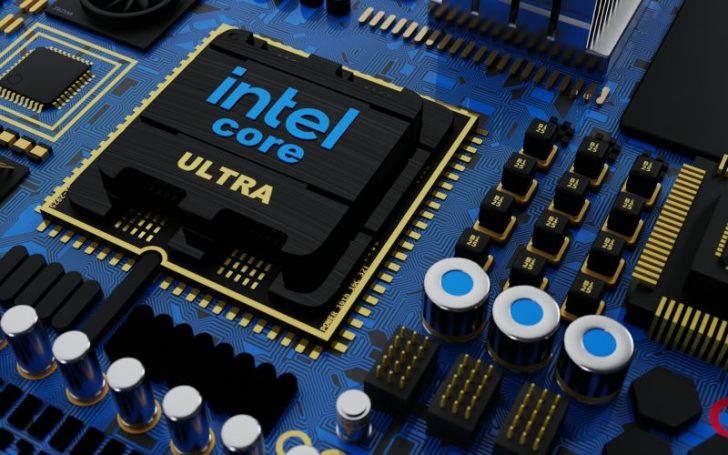
Nvidia dropped a cool $5 billion into Intel, grabbing headlines and boosting Intel’s stock nearly 30% overnight. That kind of cash gets attention. But not everyone’s clapping. Some analysts say that this doesn’t fix Intel’s real problems.
The deal, announced on September 18, 2025, isn’t just about money. It includes plans to co-develop CPUs and GPUs for AI data centers and next-gen PCs. It sounds like a tech dream team, but beneath the buzz, there is plenty of hesitation.
Nvidia Gains a Strategic Backup, But Stays TSMC-Loyal
For Nvidia, this is about future-proofing. The $5 billion investment makes it one of Intel’s biggest shareholders, giving it a 4% stake. But more importantly, it opens a door to a possible second manufacturing source beyond TSMC. That is huge in theory.
On paper, this deal looks like a win for Intel. They get cash, credibility, and a massive partner in Nvidia. It also signals trust in Intel’s x86 CPUs, which will now be used in future AI infrastructure alongside Nvidia GPUs. That’s no small thing.
But the catch is that the partnership skips over Intel’s biggest problem: its failing foundry business. Last quarter alone, that division lost $3.2 billion. And the Nvidia investment? It doesn’t plug that hole.
Industry Watchdogs are Wary
Intel has an infamous track record. It has missed several key product deadlines in recent years. For this Nvidia deal to work, Intel needs to ramp up its 18A and 14A nodes fast and flawlessly. Analysts are skeptical that it can.
That is why several major firms, including Citi and Seeking Alpha, downgraded Intel’s stock to a “Hold” rating. They are not ignoring the upside. And they are not just not betting on Intel to stick the landing.
Intel still faces deep operational problems, and the foundry turnaround is years away.
Analysts worry that the surge has priced in too much future success, too soon. Without real execution, not just a big headline, that valuation bump might not hold. It could even backfire if progress stalls again.
Nvidia’s $5 Billion is Just Pocket Change
Five billion dollars is serious money, unless you are Nvidia. With a market cap north of $1.5 trillion, this investment is less a game-changer and more a strategic chip on the table. Nvidia isn’t betting the house here.
This is about options and leverage. If Intel can deliver, great. If not, Nvidia is still ‘married’ to TSMC, and this move costs them very little in the grand scheme. So, it is more of a classic power play, not a rescue mission.
Right now, Intel’s core businesses are lagging. AMD continues to eat away at market share. Nvidia dominates AI. And Intel, despite this new deal, still hasn’t proved it can compete at the highest level.
To justify its rising valuation, Intel has to deliver. That means advanced nodes, better execution, and smaller foundry losses. Strategic partnerships look good on paper, but they won’t solve the underlying issues without follow-through.