

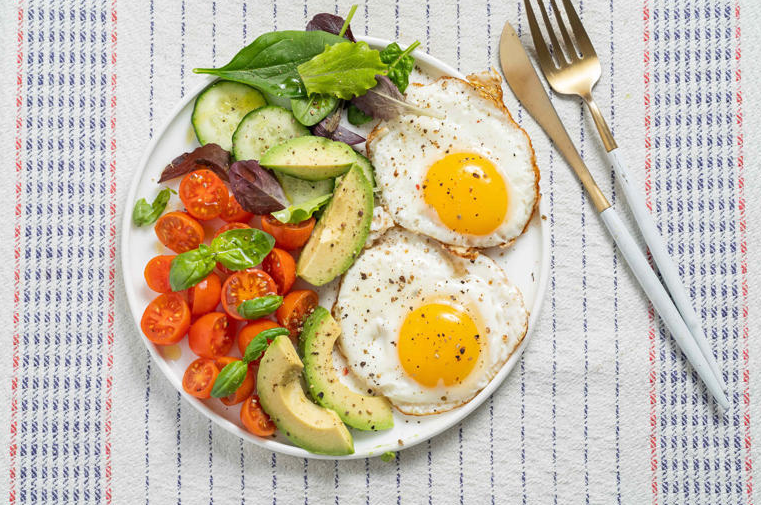
This simple meal strategy can help you avoid afternoon slumps and support overall metabolic health.
Key Takeaways
- A balanced “first meal” can improve your body’s blood sugar response to your next meal, helping prevent energy crashes later on.
- Meals with fiber, protein, and healthy fats slow digestion, stabilize blood sugar, and support steady energy levels throughout the day.
- Using the “second meal effect” can help reduce cravings, avoid afternoon slumps, and support overall metabolic health—especially for those managing blood sugar.
The afternoon slump can (literally) feel like a drag. It might also get you thinking about ways to shake it off, perhaps with an energizing snack or a brisk walk. But if you’re constantly feeling sluggish in the afternoon, it might be worth thinking about what you’re doing before lunch, rather than what you should do after.
Enter the “second meal effect,” a concept coined by Dr. David J. Jenkins in the 1980s. “The second meal effect is a metabolic phenomenon in which the composition of one meal improves the body’s blood glucose response to the next meal, eaten hours later,” explains registered dietitian Kristen Lorenz, RD. “The effect is most often studied between breakfast and lunch, but it can also occur between lunch and dinner or even between dinner and breakfast the following day,” she adds. Pretty cool.
But what does that mean for your overall health and energy levels? Here, experts explain the significance of the second meal effect—plus how to use it to your advantage.
How Does the Second Meal Effect Work?
For the “second meal effect” to happen, the first meal must be balanced. This means it should include fiber, protein, and healthy fats. Here’s how each nutrient contributes to the effect:
- Fiber: “Fiber, particularly soluble fiber and resistant starch, slows carbohydrate digestion and helps blunt the initial rise in blood glucose,” Lorenz says. “It also feeds gut bacteria that produce short-chain fatty acids such as butyrate, which support insulin signaling and metabolic health,” she says. (ICYDK, insulin is the hormone that helps glucose in the blood enter cells, thereby regulating blood sugar.)
- Protein: “Protein increases satiety and slows gastric emptying, helping create a steadier glucose response than meals high in refined carbohydrates,” Lorenz says. It also helps you feel full and keeps your energy steady, says gastroenterologist Karl Kwok, MD.
- Healthy fats: “Healthy fats also slow digestion and absorption, decreasing the chance of a rapid glucose spike,” Lorenz says.
Together, these nutrients can improve blood sugar control. This may help reduce the risk of developing type 2 diabetes and help manage existing diabetes. “Additionally, it can support steady energy levels and may help support overall metabolic health,” Dr. Kwok says.
Who Benefits From the Second Meal Effect?
If blood sugar control is a priority—due to diabetes, prediabetes, or other reasons—considering the second meal effect can be especially beneficial. Similarly, if you have insulin resistance, metabolic syndrome, or weight loss goals, you may benefit from the second meal effect as well, according to Dr. Kwok. “It’s also good for keeping energy steady or avoiding afternoon crashes,” he says.
Ultimately, however, the effect is beneficial for everyone. That’s because starting the day with a balanced meal can reduce glucose swings that contribute to fatigue, cravings, and overeating later in the day, Lorenz says.
Foods That Cause the Second Meal Effect
As mentioned, the “second meal effect” is due to the combo of fiber, protein, and healthy fats. Thus, “first meals” should be rich in all three nutrients. Here are the top sources of each nutrient, as provided by Dr. Kwok:
- Fiber: Fruits (like apples, berries, pears, and oranges), vegetables (like broccoli, carrots, spinach, and sweet potatoes), whole grains (like oatmeal, whole wheat bread, brown rice, and quinoa), and legumes (like beans, lentils, and chickpeas)
- Protein: Eggs, chicken, fish, yogurt, tofu, beans, lentils, and nuts
- Healthy fats: Avocados, olive oil, nuts, seeds, and fatty fish, such as salmon, sardines, and mackerel
Not sure how to combine these nutrients? Take a tip from Lorenz and try noshing on oatmeal with peanut butter and berries, Greek yogurt (or cottage cheese) with chia seeds, nuts, and fruit, or eggs with whole-grain toast and avocado.